


Download the official Indiana Dunes app, your all-in-one guide to exploring the Indiana Dunes area. It's the best way to plan your trip, access coupons, and find things to do on the fly.
Trails and Nature Walks for Every Season
Most of the best activities at the Dunes start on foot, and the trail network is worth exploring more than once throughout the year. The national park alone has about 50 miles of marked trails, from flat, paved boardwalks to steep sandy climbs that you’ll feel in your legs the next day.
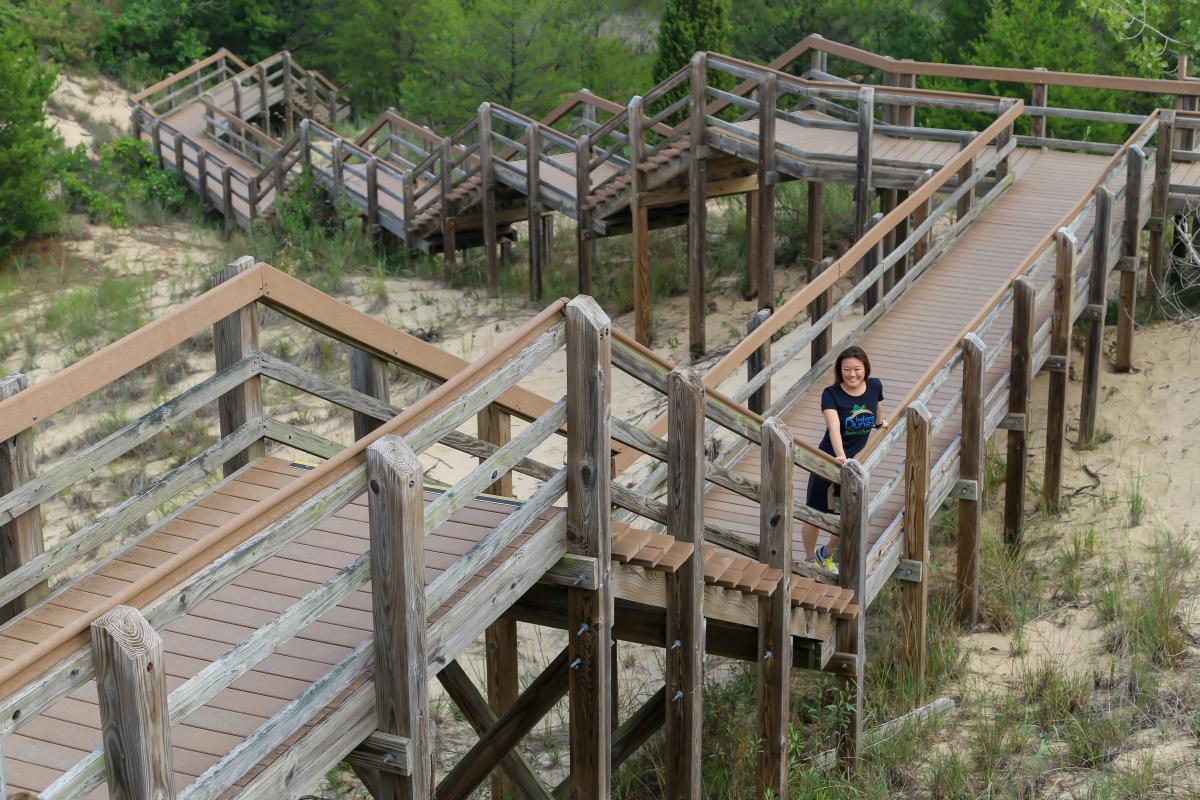
The Dune Succession Trail, just under a mile long, is a good choice any time of year. It passes through different ecological zones like bare sand, cottonwood groves, and black oak forests, and includes a climb up 270 stairs to a lake overlook. Most families with older kids can handle it, but it's not flat, and strollers can't get past the beach access. In the West Beach area, you’ll find longer trails like the Long Lake Loop, which offers lake views and shaded forest sections.
For a classic experience, try the 3-Dune Challenge at Indiana Dunes State Park. Just a few minutes from the national park, this state park has its own entry fee. At the trail, head out to climb Mount Tom, Mount Jackson, and Mount Holden. It’s about 1.5 miles with big elevation changes on loose sand, so it’s best for fit adults and older kids. Note that this trail isn’t suitable for strollers or anyone with mobility issues. October is a great time to do this hike, when the oaks have changed color, and the lake looks deep blue.
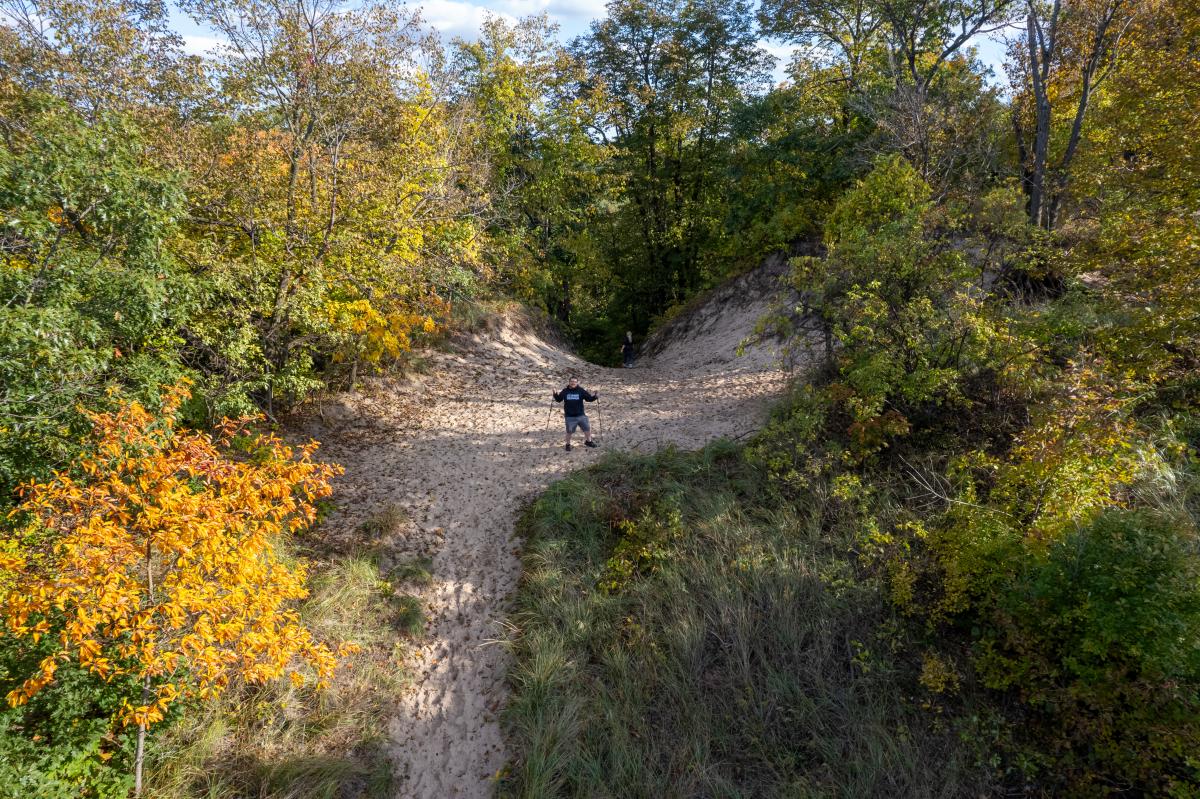
In winter, the open dunes give you clear views that are hidden by leaves in summer. Dress in layers, bring traction devices if there might be ice, and keep trail shoes or waterproof boots in your car. Most trailhead parking lots are plowed, but check the national park’s website before you go out during or after a snowstorm.
Beaches, Shorelines & Scenic Lookouts
Indiana has 45 miles of Lake Michigan shoreline, and some of the most stunning stretches lie within the Dunes. For a few hours of lakeside escape in any season, West Beach and Indiana Dunes State Park Beach never disappoint.
During summer, West Beach is a family favorite, with a bathhouse, lifeguards in peak season, and a parking lot that fills quickly on weekends. Arrive before 10 a.m. or after 3 p.m. to beat the crowds. The state park beach, right next to Chesterton, offers showers and convenient concessions for a full day by the water.
Outside of summer, the beaches change character. The dunes are always shifting with the wind, and a walk along the water in November or February shows a side of the landscape that summer visitors miss. Iced-over water and frost patterns on the sand make the cold worthwhile.

If you want a great view without much effort, Mount Baldy in the national park offers a panoramic look at the lake from the top of a 125-foot dune. You can only access it on a guided tour, so check with the park for availability. The ranger-led tour adds helpful background about how dunes move. Mount Baldy is an active, migrating dune, and learning why it moves changes how you see it.
You’ll find several cafés and places to eat in nearby Chesterton and Portage, both about 15 to 20 minutes from most park entrances. It’s best to plan for lunch or dinner there, since there aren’t many options inside the park.
History, Wildlife & Educational Stops
Some of the best places to visit in the Dunes are connected to history and natural science, but they’re often overlooked. These spots are worth exploring.
Chellberg Farm in the national park is a working 19th-century farmstead open for self-guided visits all year and ranger-led programs in spring and fall. It’s free and takes about 45 minutes to explore at a relaxed pace. It’s right next to the Bailly Homestead, one of the region’s earliest European settlements. Together, they make a nice loop, especially on cooler days when a long beach walk isn’t as appealing.

For wildlife, the Dunes are one of the most important birding sites in the eastern United States. During spring and fall migrations, hundreds of species pass through. The Indiana Dunes Birding Festival, held every May, is a great way to experience this with guided walks and expert-led programs. You don’t have to be a birder to enjoy it—just stay curious.

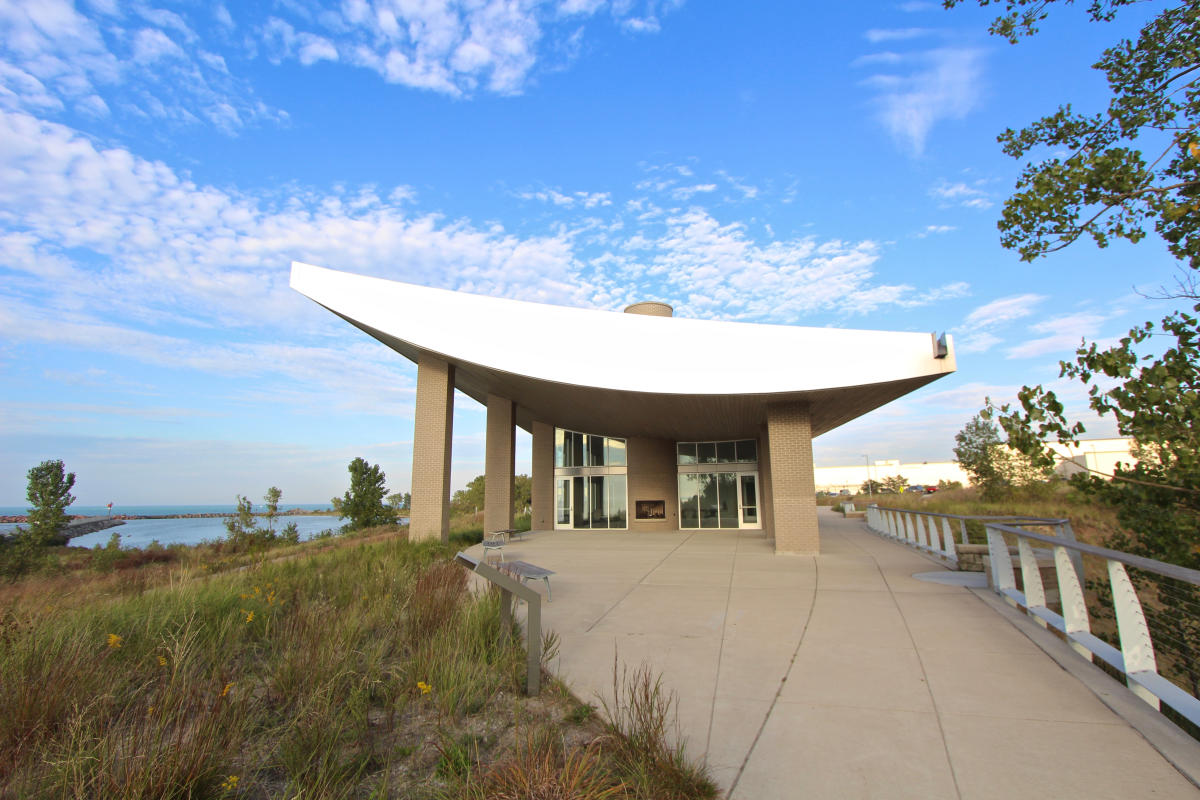
The Paul H. Douglas Center for Environmental Education in Miller Woods is the main visitor center for the national park and is a good place to start your trip. The exhibits explain dune formation, lakeshore ecology, and the area’s unique biodiversity—the Dunes have more plant species per square mile than almost anywhere else in Indiana. The center is air-conditioned in summer, heated in winter, and family-friendly all year. Plan to spend 30 to 45 minutes there before heading out on the trails.

For family fun at Indiana Dunes, these indoor and semi-indoor stops are great options on rainy or very cold days. You can still enjoy the trip, even if the weather isn’t perfect.
Easy Add-Ons for a Full Day
The Dunes are an easy place to spend a full day, and some of the best attractions don’t require much planning. Just set aside a little extra time after your main activity.
The Portage Lakefront and Riverwalk area has a flat, paved path along the water that’s accessible for strollers, wheelchairs, and anyone who wants a view without climbing. It’s also one of the best places in the park to watch the sunset, facing northwest over open water. Bring some snacks.
If you’re traveling with a dog, you’ll find pet-friendly options in several areas of the Dunes. Leashed dogs are allowed on many trails and in some beach areas outside of peak season. Be sure to check the rules for each area before you arrive.
The towns of Beverly Shores and Ogden Dunes are quiet residential communities within the national park. Take a slow drive to see the mix of historic mid-century architecture and wooded lots. The original train station is a worthy photo opportunity.

If you’re looking for more than hiking and the beach, such as spas, gardens, sports facilities, and parks in the wider region, check out the wellness and recreation directory before you arrive.
Ready to start planning? Explore all the outdoor adventures at Indiana Dunes or look through the full things to do guide to create an itinerary that fits your season and pace. The destination guides are a helpful starting point if this is your first visit.
